
Respond or React? The Difference and Why It Matters
I. Introduction: The Split-Second Decision That Shapes Negotiations
Picture a familiar scene. You are in a mediation late in the day. The numbers are close, emotions are high, and someone on the other side makes a comment that feels dismissive, inaccurate, or even insulting. You feel it immediately—the urge to jump in and push back hard. In that moment, you face a decision that will shape the rest of the negotiation: do you react, or do you respond?
That split-second choice matters more than many lawyers, business owners, and even parents realize. Whether you are advocating for a client, protecting your company’s interests, or speaking on behalf of your child in a difficult conversation, how you communicate under pressure can determine whether a dispute escalates or moves toward resolution.
In negotiation, mediation, and conflict resolution, the difference between reacting and responding is not academic. It is practical, tactical, and outcome driven. Understanding this distinction and learning how to shift from one to the other can improve results, preserve relationships, and reduce unnecessary conflict.
This article explores reacting versus responding in negotiation matters, how it plays out in real disputes, and why this skill is especially important for lawyers and business owners navigating mediation and negotiation in Philadelphia and the surrounding areas.
II. Reacting vs. Responding: What’s the Real Difference?
Reacting in Negotiations
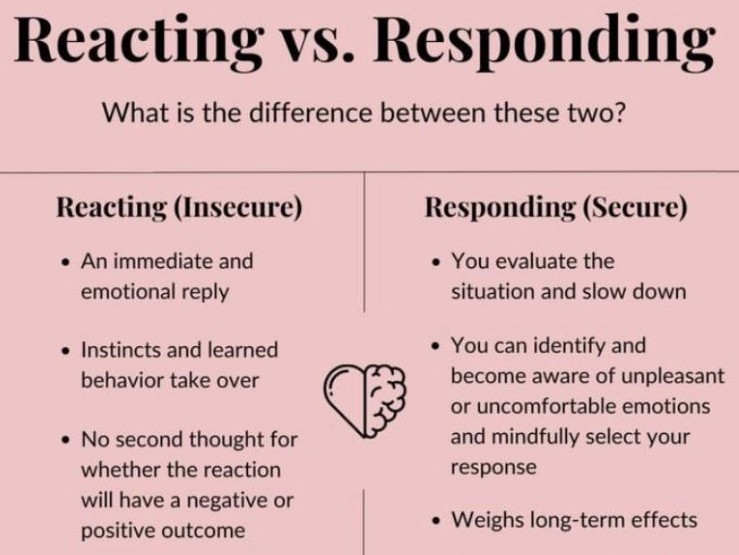
Reacting is the default setting in many high-stakes negotiations. It is fast, emotional, and often driven by instinct rather than strategy. When we react, we are responding to the moment rather than the broader goals of the negotiation.
Common characteristics of reacting include:
- Listening just long enough to prepare a rebuttal
- Speaking to defend a position rather than explore options
- Escalating tension instead of managing it
- Focusing on “winning the moment” instead of achieving a durable outcome that meets everyone’s interests
In legal contexts, reacting often shows up as aggressive litigation posturing, sharp exchanges during settlement discussions, or rigid positions in contract and partnership disputes. The reaction may feel justified, but it frequently hardens positions and narrows the path to resolution.
Responding in Negotiations
Responding, by contrast, is deliberate and intentional. It is slower by design and grounded in strategy rather than emotion. Responding means taking in what was said, understanding why it matters to both sides, and then choosing words and tone with purpose.
Key elements of responding include:
- Active listening and accurate understanding
- Processing meaning, motivation, and underlying interests
- Making intentional choices about language and delivery
Importantly, responding does not mean conceding. A thoughtful response can be firm, clear, and protective of your interests while still signaling that you heard and understood the other side. That acknowledgment alone can lower defenses and create space for productive legal negotiation.
III. Why We React Under Pressure
To understand why reacting is so common, it helps to look briefly at why it happens in the first place. High-stakes situations trigger the body’s fight-or-flight response. When we perceive a threat, the amygdala automatically takes over, pushing us toward quick, defensive action.
Lawyers and business leaders are particularly vulnerable to this dynamic because negotiations often implicate:
- Professional identity and competence
- Significant financial risk
- Client, shareholder, or stakeholder pressure
When the amygdala hijacks the process, the brain prioritizes speed over judgment. Reacting feels efficient, but it often sacrifices strategic thinking.
How Responding Re-engages Strategic Thinking
Slowing down interrupts that automatic response. Even a brief pause allows the brain’s executive functions to reassert control. This is where planning, long-term thinking, and creative problem-solving live.
Mediation techniques and negotiation psychology consistently emphasize this shift. Responding re-engages strategy. It allows lawyers and business owners to consider risk, evaluate options, and choose approaches aligned with their broader goals rather than the emotion of the moment.
IV. When Reacting Has a Place (Yes, Sometimes It Does)
Strategic Reactions That Serve a Purpose
Acknowledging nuance is critical, especially for experienced lawyers. There are moments when a sharp reaction serves a legitimate purpose. For example:
- Drawing firm boundaries against unacceptable conduct
- Signaling the seriousness of a non-negotiable position
- Correcting material misinformation quickly
In cases involving bad-faith negotiation tactics, safety concerns, or ethical and compliance issues, immediate reaction may be necessary to protect clients or organizations.
The Risk of Overusing Reaction
The problem arises when reacting becomes the default rather than the exception. Frequent reacting can:
- Erode trust between parties
- Harden positions and reduce flexibility
- Increase litigation costs and prolong disputes
From a mediator’s perspective, overreaction often leads to failed mediations or unnecessary impasse. Energy shifts from problem-solving to damage control, making resolution more difficult for everyone involved.
V. Why Responding Wins More Often in Mediation and Business Negotiations
Responding Lowers Defenses Without Weakening Position
One of the most powerful aspects of responding is the distinction between acknowledgment and agreement. You can acknowledge what someone says without agreeing with it. That acknowledgment signals respect and understanding, which often lowers defenses.
When parties feel heard, they are more likely to engage constructively. Reframing statements without diluting your position can transform adversarial exchanges into productive dialogue.
Responding Advances Interests, Not Just Arguments
Reacting tends to entrench positions. Responding shifts the focus to what actually matters:
- Underlying interests
- Risk assessment
- Practical, workable solutions
This approach is especially effective in employment mediation, commercial disputes, and partnership or shareholder conflicts, where ongoing relationships and reputational considerations matter. Responding helps parties move beyond arguments toward outcomes.
VI. Practical Techniques to Move from Reacting to Responding
Pause Techniques Lawyers and Business Owners Can Use
Developing business negotiation skills that favor responding starts with simple but effective techniques:
- Strategic silence before speaking
- Taking notes to slow the pace of response
- Asking clarifying questions instead of making assumptions
These practices create space for thoughtful engagement rather than impulsive reaction.
Language Shifts That Signal a Response (Not a Reaction)
Words matter. Small shifts in language can signal intentional responding:
- “Help me understand why that matters to you…”
- “What I’m hearing is…”
- “Here’s my concern with that approach…”
Reactive language tends to sound accusatory or absolute. Responsive language invites dialogue while still protecting your interests.
Preparing to Respond Before the Negotiation Starts
The best responding happens before the negotiation ever begins. Preparation includes:
- Identifying emotional triggers
- Clarifying priorities and acceptable outcomes
- Defining walk-away points
Counsel and mediators play a critical role in this preparation. Thoughtful pre-negotiation planning is one of the most effective conflict resolution techniques available to attorneys and business leaders.
VII. The Mediator’s Perspective: What I See in the Room
How Reacting Derails Otherwise Strong Cases
From the mediator’s chair, reacting often derails negotiations that otherwise have strong settlement potential. Common patterns include:
- Missed opportunities for movement
- Escalation over secondary issues
- Unnecessary impasse driven by tone rather than substance
When parties react, the mediator’s focus can temporarily shift away from facilitation and toward de-escalation—although a skilled mediator will recognize this dynamic and work to return the process to productive problem-solving.
How Responding Creates Momentum Toward Resolution
Responding changes the dynamic in the room. Parties feel respected. Information flows more freely. Creative settlement options emerge. Momentum builds toward resolution rather than stalemate.
This is why responding is such a critical mediation skill—and why it consistently produces better outcomes.
VIII. Conclusion: The Question to Ask Before You Speak
Before you speak in your next negotiation, mediation, or difficult conversation, pause and ask yourself one simple question: Am I about to react, or am I choosing to respond?
That choice influences outcomes, preserves relationships, and strengthens advocacy. In high-stakes disputes, responding is often the difference between escalation and resolution. Mediation exists, in part, to create the space where responding becomes possible and where better outcomes can emerge.