
Confidentiality in Mediation and Arbitration for Business & Employment Disputes
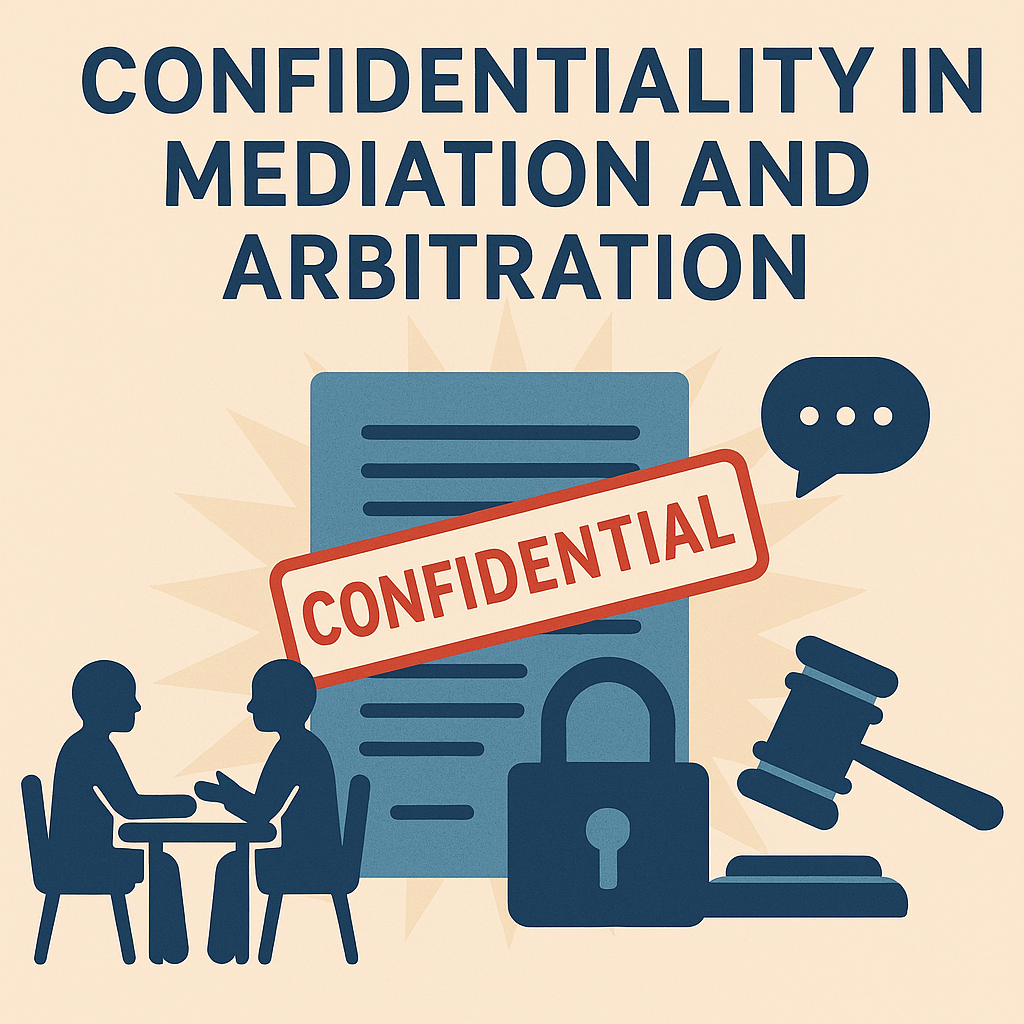
In today’s fast-paced and interconnected world, the stakes in business disputes are higher than ever. For companies and professionals in Philadelphia, South Jersey, and the surrounding areas, the decision about how to resolve conflict carries consequences beyond the outcome of the case itself. Increasingly, businesses and lawyers are turning to mediation and arbitration as alternatives to litigation; not just for efficiency, but for one of the most important reasons of all: confidentiality.
Unlike litigation, which places disputes in the public eye, mediation and arbitration allow parties to resolve conflicts discreetly. Confidentiality is not just a procedural benefit; it’s a protective shield, safeguarding reputations, shielding sensitive financial and personal details from exposure, and allowing parties to negotiate freely without fear of outside judgment.
This article explores what confidentiality means in practice, the legal protections and limits that apply, and why it matters so much for companies and individuals in this region.
What Confidentiality Means in Mediation and Arbitration
At its core, confidentiality in dispute resolution means that what is said or shared during the process stays private.
- Mediation: Discussions are generally protected by state law, mediation rules, and agreements signed before sessions begin. The mediator cannot be forced to testify about the discussions and statements made in mediation cannot be used later in court.
- Arbitration: Confidentiality is not automatic, but is often created through arbitration clauses, procedural rules, or agreements. While the hearing itself is private, whether the documents and outcome remain confidential depends on the terms set by the parties and provider.
- Litigation: In a lawsuit, complaints, motions, discovery materials, and judgments become part of the public record; sometimes searchable online with just a few clicks.
The Legal Foundations of Confidentiality
Confidentiality in mediation and arbitration is grounded in both statutory law and contractual agreements.
- Mediation confidentiality protections:
- Pennsylvania follows the Pennsylvania Uniform Mediation Act (PUMA), which provides robust protections for mediation communications.
- Under PUMA, mediation communications are generally privileged, meaning they cannot be disclosed or admitted in legal proceedings except in rare circumstances.
- Arbitration confidentiality:
- Arbitration is guided largely by contractual clauses and the neutral’s rules.
- Many arbitration rules include confidentiality provisions, but the extent can vary, making it essential for parties to negotiate these terms clearly.
Example: A South Jersey contractor-client dispute involved sensitive billing practices. By resolving through arbitration, the contractor ensured that confidential business records weren’t entered into the public record; something that would have been unavoidable in litigation.
Why Confidentiality Matters for Businesses and Professionals
For businesses and professionals, the value of confidentiality cannot be overstated. Consider these critical benefits:
- Reputation management: Disputes can damage public perception. Confidentiality ensures disagreements don’t turn into news stories or gossip.
- Trade secrets and intellectual property: Sensitive business strategies, formulas, or technologies remain protected from competitors.
- Employee relations: Workplace disputes can be damaging if made public. Confidential processes allow employers and employees to resolve issues discreetly.
- Settlement negotiations: Parties can speak openly and creatively in private, which often leads to more flexible and creative solutions that parties will live up to.
Example: A Philadelphia-based tech company faced an employment dispute involving a former executive. By choosing mediation, the company resolved the issue without exposing details of its unreleased product roadmap, which could have been revealed in litigation.
Key Differences: Mediation vs. Arbitration Confidentiality
While both processes emphasize privacy, there are key distinctions:
- Mediation:
- Strict confidentiality protections apply.
- Communications made in mediation generally cannot be used in later proceedings.
- Mediators themselves are bound by ethical and statutory duties of confidentiality.
- Arbitration:
- Confidentiality is not automatic.
- Parties should negotiate clear confidentiality clauses within the arbitration agreement.
- Arbitration providers (such as Ari Sliffman & AJS Resolutions) may offer varying levels of confidentiality.
Practical Tip: Businesses should not assume arbitration is confidential by default. To maximize protection, draft airtight confidentiality clauses in arbitration agreements.
Common Misconceptions About Confidentiality
Confidentiality is powerful—but not absolute. Misunderstandings are common:
- Myth: “Everything is automatically secret.”
- Reality: Protections vary by state statutes and contractual terms.
- Myth: “Arbitration is always confidential.”
- Reality: Confidentiality must be expressly agreed upon or included in the arbitration provider’s rules.
- Myth: “Parties can share outcomes freely.”
- Reality: Disclosure restrictions often prevent parties from discussing outcomes publicly, especially when confidentiality clauses are in place.
Example: In a Pennsylvania arbitration, one party attempted to share the award result on social media. This action violated a confidentiality provision, leading to a secondary dispute over breach of contract.
Limits to Confidentiality
Confidentiality in mediation and arbitration is strong but not absolute. Key limits include:
- Legal exceptions: Threats of violence, fraud, or other mandatory reporting obligations may require disclosure.
- Court involvement: When a mediated settlement or arbitration award needs to be enforced, limited filings in court may become public.
- Party conduct: Confidentiality protections can be waived if parties voluntarily disclose information.
Example: In a South Jersey real estate dispute, parties resolved their case through arbitration. However, when they sought court confirmation of the award, a narrow public record was created—though far less revealing than full litigation would have been.
Practical Steps to Maximize Confidentiality
To ensure the strongest protections, businesses and lawyers should take proactive steps:
- Draft airtight confidentiality clauses in mediation and arbitration agreements.
- Choose a trusted dispute resolution provider—experienced neutrals like Ari Sliffman of AJS Resolutions prioritize confidentiality as a core value.
- Prepare clients thoroughly so they understand what can and cannot be shared outside the process.
- Consider sealing agreements or awards if court involvement is required.
- Tailor confidentiality protections to the specific needs of the industry (e.g., healthcare, tech, construction).
Conclusion: Confidentiality as the Cornerstone of Resolution
For lawyers and business owners, confidentiality is the cornerstone of successful mediation and arbitration. It protects reputations, safeguards trade secrets, preserves relationships, and creates the trust necessary for candid negotiation.
In Philadelphia, South Jersey, and the surrounding areas, where business networks are interconnected and reputation carries significant weight, confidentiality isn’t just a benefit—it’s a necessity.
If your business or law firm is considering mediation or arbitration, do so not only for efficiency and cost savings but for the protection of privacy.
Contact Ari Sliffman & AJS Resolutions to ensure your disputes remain private, your reputation remains intact, and your solutions remain effective, or simply book here today.